Resources

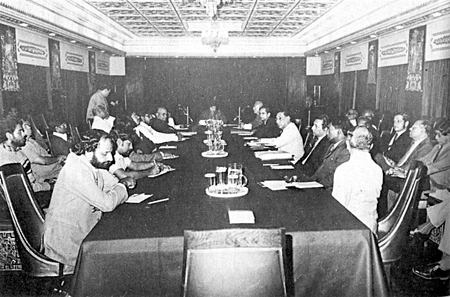
This conference will be thoroughly documented as a historic moment when the Tamil nation demonstrated the capacity for democratic deliberation, strategic thinking, and unified action.

We will show the world that we are not merely victims demanding charity, but a nation claiming our rights.

Resources

This conference will be thoroughly documented as a historic moment when the Tamil nation demonstrated the capacity for democratic deliberation, strategic thinking, and unified action.

We will show the world that we are not merely victims demanding charity, but a nation claiming our rights.

Historical timeline​

1505
Portuguese Arrival

Initial Portuguese contact with the island begins, starting the era of European colonial influence.

1619
Fall of the Jaffna Kingdom

Portuguese forces overthrow the Jaffna Kingdom, ending independent Tamil monarchical rule in the North.

1658
Beginning of Dutch Rule

The Dutch replace the Portuguese as the colonial power, maintaining separate administrative structures for the North-East.

1796
Beginning of British Rule

British occupation begins; the Tamil and Sinhala nations remain under distinct administrative units initially.

1796
Beginning of British rule

British occupation of the island begins. The British amalgamated the Tamil and Sinhala nations into a single administrative unit without Tamil consent.

1833
Colebrooke-Cameron Reforms

The British unify the entire island into a single centralized administrative unit, submerging Tamil sovereignty.

Early 20th century
Tamil constitutional engagement

Tamil political leadership participates in constitutional politics under British rule to safeguard Tamil national rights.

1931
Donoughmore Constitution

Introduction of universal franchise. Tamil leaders warn that majority rule will result in permanent Sinhala domination.

1944–1947
Soulbury constitutional process

Tamil representatives demand federal safeguards and minority protections; these demands are rejected by the colonial authorities.

1948
Feb 4 is observed by Tamils as a "Black Day" of protest.
Independence & Flag Controversy

Power is transferred to a Sinhala-dominated state. The Lion Flag is adopted despite intense Tamil opposition to its majoritarian symbols.

1948
Citizenship Act

Legislation strips over 700,000 Indian Tamil plantation workers of their citizenship and voting rights.

First major act of state-sponsored racism post-independence.

1956
Sinhala Only Act

Sinhala is made the sole official language, excluding Tamil from public administration.

Triggers the Gal Oya Pogrom, the first major post-independence ethnic violence.

1956
Tamil satyagraham

The Federal Party launches non-violent protests (Satyagraha) demanding federal autonomy and language parity.

1958
Anti‑Tamil pogrom

State-wide anti-Tamil violence breaks out following the failure of political agreements and language protests.

1956–1958
Repression of Tamil protests

Peaceful Tamil protests against discrimination are met with state repression and mob violence.

July 1957
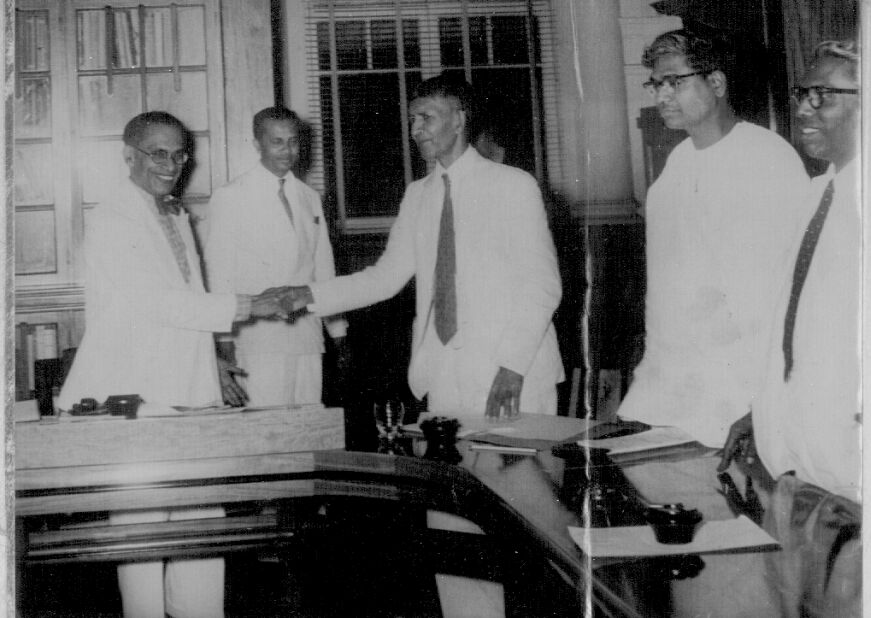
Bandaranaike–Chelvanayakam Pact

An agreement for regional councils is signed but quickly abrogated by the government due to Sinhalese nationalist pressure.

May 1958
Abbrogation of the Banda-Chelva pact

The act was strongly opposed by certain sections of the Sinhalese, and was eventually torn up by Bandaranaike in May 1958 due to the pressure of Buddhist monks.

1961
Jaffna Postal Strike

A massive civil disobedience campaign in the North leads to the first military occupation of the Jaffna peninsula.

1965
Dudley-Chelva Pact

A second attempt at limited regional autonomy is signed and subsequently abandoned by the government.

1965
Broken political agreements

Political pacts promising limited Tamil rights are abandoned or not implemented.

Late 1960s–early 1970s
Standardization Policy

Government introduces weighted university admissions, requiring Tamil students to achieve higher marks than Sinhalese peers.

1972
First Republican Constitution

The country is renamed Sri Lanka; Buddhism is given "foremost place." Tamils reject the constitution and burn it in protest.

Section 29 (minority protections) is permanently abolished.

1974
Tamil Conference Massacre

Police attack the 4th International Tamil Research Conference in Jaffna, resulting in nine civilian deaths.

May 14th of 1976
Vaddukkoddai Resolution adopted

The TULF formally calls for the restoration of a sovereign, secular state of Tamil Eelam.

Shift from seeking federalism to demanding secession.

1977 August
Anti-Tamil Pogrom

Nationwide violence targets Tamils following the general election.

1978
Second Republican Constitution

Executive presidency and unitary state further entrenched.

1979
Prevention of Terrorism Act (PTA)

Sweeping emergency powers are introduced and used predominantly against Tamil youth and activists.

May–June 1981
Burning of Jaffna Public Library

State security forces burn the Jaffna Public Library, destroying over 95,000 irreplaceable Tamil books and manuscripts.

July 1983
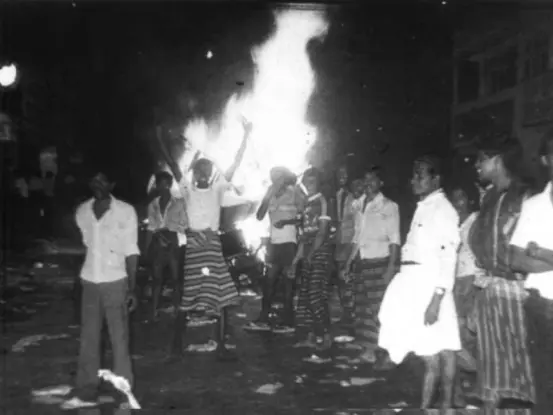
Black July Pogrom

State-sponsored nationwide pogrom kills thousands of Tamils; triggers the start of full-scale civil war (Eelam War I).

July–Aug 1985
Thimphu Talks

Tamil groups articulate the Four Cardinal Principles: Nationhood, Homeland, Self-Determination, and Citizenship.

Thimphu Declaration

  1. Shift from Secession to Framework: Vaddukoddai Resolution explicitly demanded a "Free, Sovereign, Secular, Socialist State of Tamil Eelam." Thimphu Principles provided the "necessary framework" for any rational dialogue on autonomy.
  2. Unified Negotiating Platform: For the first time, all major Tamil political and militant groups (TULF, LTTE, EPRLF, EROS, PLOTE, and TELO) agreed on a single set of overarching principles to define their joint aspirations in an international setting.
  3. Thimphu Declaration provided the basis for an alternative solution to an independent state, signaling that if these four cardinal principles were met, the Tamils might consider alternatives to full separation.
  4. Internationalisation: By presenting these principles during peace talks in Bhutan facilitated by India, the Thimphu Declaration elevated the demands of the Vaddukoddai Resolution from a domestic political mandate into a recognised international conflict-resolution framework.
July 1987
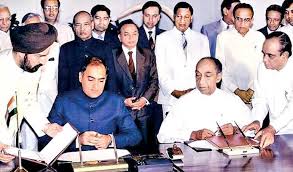
Indo–Lanka Accord

Agreement with India leads to the 13th Amendment and the deployment of the Indian Peace Keeping Force (IPKF).

1987-1990
IPKF intervention

Indian military operations in the North-East; heavy civilian suffering.

1999-1990
Collapse of North-East Provincial Council

Merger and limited devolution arrangements break down.

June 1990
Resumption of war (Eelam War II)

The IPKF withdraws and Eelam War II begins, characterized by civilian massacres and a state blockade of the North.

1994-1995
Peace talks with LTTE

Negotiations collapse, followed by renewed military offensives.

1995
Eelam War III

Following the collapse of peace talks, major military offensives lead to the displacement of the entire population of Jaffna.

January 2001
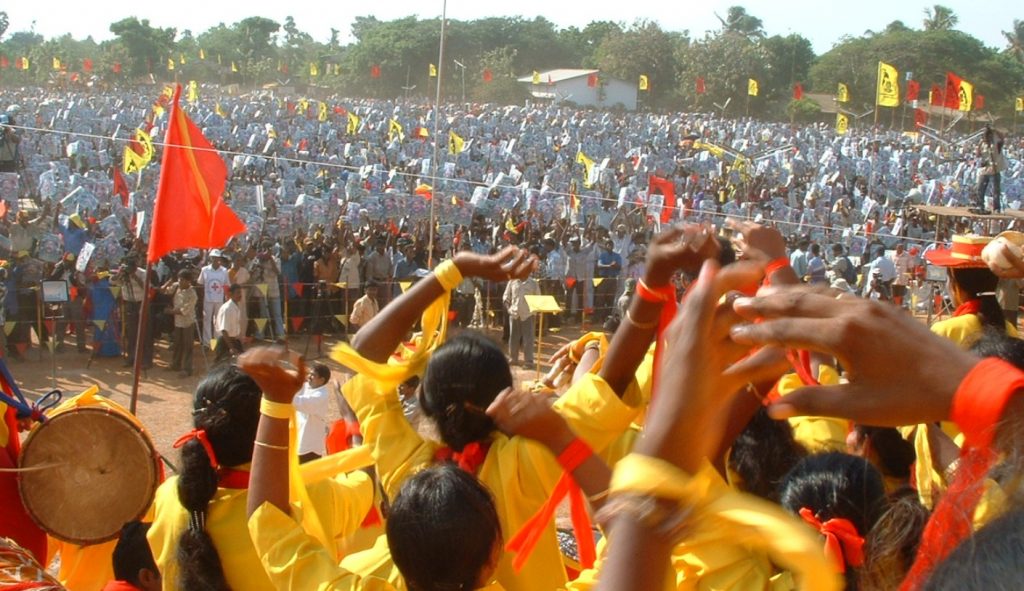
Pongu Thamil

Mass mobilization in Jaffna asserts Tamil rights to nationhood and self-determination based on the Thimphu Principles.

  1. Tamils as a distinct nationality.
  2. Traditional Tamil Homeland.
  3. Right to Self-Determination.

Immediate political and practical demands, rather than focussing only on the end goal

  1. Withdrawal of Military: Specific call for withdrawal of the Sri Lankan Army from occupied Tamil lands to "restore normalcy".
  2. Interim Administration: Interim Self-Governing Authority (ISGA), building on the Thimphu idea of a "meaningful solution".
  3. Engagement with Peace Talks: Urged SL government to respond to ceasefires and enter negotiations based on the Thimphu framework.
February 2002
Ceasefire Agreement (CFA)

A Norwegian-brokered ceasefire begins, recognizing the LTTE as a negotiating party for the first time.
2002-2006
Peace Process

Intermittent talks; core political issues unresolved.

2006
Collapse of CFA

Large-scale hostilities resume at Mavil Aru, marking the beginning of the final phase of the war.

2006
ISGA Proposal

The LTTE submits a proposal for an Interim Self-Governing Authority for the North-East; it is rejected by the South.

2008
Sub Label
Formal CFA Withdrawal

The Sri Lankan government officially abrogates the ceasefire agreement and launches an all-out military offensive.

May 2009
Mullivaikkal Genocide

The war ends with the military defeat of the LTTE. Tens of thousands of civilians are killed in the final "No Fire Zones."

Marks the destruction of the de facto Tamil state.